
Does earned media exist in forex marketing? The answer is yes, but it has become considerably more difficult to achieve than it was a decade ago. Genuine editorial coverage is now reserved for brands that consistently demonstrate expertise, respond quickly to market events and build long-term relationships with journalists. For forex brokers, this means that earned media should be viewed as the result of an ongoing content and PR strategy rather than a one-off press release. Let’s answer some FAQs about earned media in forex marketing.
What Is Earned Media?
Earned media refers to publicity that a company receives without paying directly for the editorial placement. Instead of purchasing advertising space or sponsoring an article, the business earns coverage because its expertise, insights or news are considered valuable enough for a third party to publish.
Example:
Our team is often asked for insights by leading publishers. Here Charlotte talks to SemRush about YMYL (your money your life) and its implications for financial marketing.
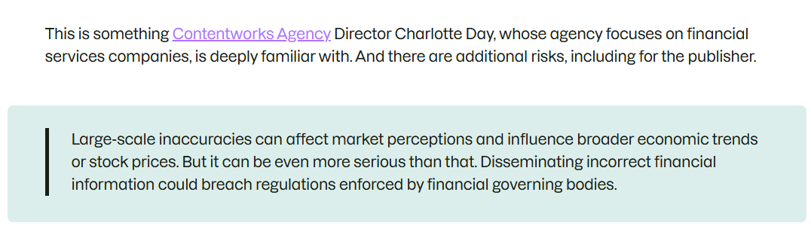
In the forex sector, earned media can take several forms. A financial journalist may quote a broker’s chief market analyst during a Federal Reserve announcement, a publication may interview a CEO about regulatory developments, or an editor may reference proprietary research published by a brokerage. The defining characteristic is that the publication chooses to feature the company because it believes the content serves its audience rather than because a commercial agreement requires it.
This distinction is particularly important in financial services, where credibility plays a significant role in decision-making. Traders are naturally sceptical of promotional messaging, but they place greater trust in commentary that appears within respected financial publications and is presented as independent editorial.
Here at Contentworks Agency we have previously explored this distinction in our guide to PR for forex brokers. Here we clarified that successful financial PR extends far beyond distributing press releases and instead focuses on building relationships with journalists, creating thought leadership and maintaining a consistent media presence.
What Does Earned Media Look Like In Forex?
One of the clearest examples of earned media in forex is an analyst who becomes a trusted source for financial journalists.
Consider a broker that employs an experienced chief market analyst with a strong understanding of macroeconomics, central bank policy and currency markets. Every trading day, the analyst publishes market commentary covering major currency pairs, explains the implications of inflation data and provides timely reactions to interest rate decisions. As journalists begin to recognise the quality and reliability of these insights, they start reaching out directly whenever they need expert commentary for breaking stories.
During a major ECB announcement, a reporter writing about the euro’s reaction may request a brief quote explaining the market movement. The analyst responds quickly with a concise explanation supported by relevant market context. The publication includes the quote alongside commentary from other recognised experts. No payment has been made for that inclusion. The broker has earned the coverage through expertise, consistency and responsiveness.
Example:
FXTM’s Senior Market Analyst, Lukman Otunuga is a great example of earned media. FXTM states that his daily market updates and analysis are regularly quoted by international media including Reuters, MarketWatch, Zawya and Morningstar. Below Lukman is quoted by The Cable.

This type of ongoing analyst visibility represents one of the most realistic forms of earned media available to forex brokers today. Rather than chasing occasional press mentions, successful brokers often become reliable contributors who are regularly contacted whenever significant market events occur.
Why Earned Media Has Become Harder To Achieve
The biggest reason earned media has become more difficult is that the economics of financial publishing have changed dramatically.
Publishers are no longer supported primarily by traditional advertising. Instead, they rely on multiple revenue streams that include subscriptions, sponsored content, native advertising, commercial partnerships, events and premium memberships. According to the Reuters Institute’s Digital News Report, 80% of media executives now consider subscriptions to be an important source of digital revenue, while 72% identify display advertising and sponsorship as major contributors to their business models. Native advertising and sponsored content have also become significant revenue sources for publishers worldwide.
At the same time, the global advertising market has continued to expand rapidly. WPP’s GroupM forecasts show that worldwide advertising revenue surpassed $1 trillion in 2024, with digital advertising accounting for roughly 71% of total ad spend.
These figures help explain why commercial content has become such a visible part of financial media. Publishers need sustainable revenue models, and sponsored articles, branded content and advertising packages provide predictable income in ways that traditional editorial alone cannot.
For forex brokers, this means that much of what appears to be editorial coverage is actually part of paid commercial activity. Sponsored interviews, branded articles and promotional features all have legitimate marketing value, but they should not be confused with earned media.
Are There Other Ways To Get Earned Media?
Yes. Platforms such as Qwoted and Connectively connect journalists with expert sources looking for commentary. This gives forex brokers another route to potential media coverage.
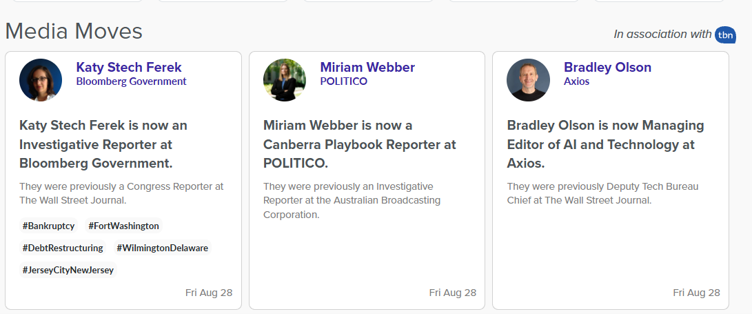
For brokers with strong analysts, these platforms can be useful for responding quickly to requests around currencies, inflation, central banks, commodities and market-moving events. However, access is not always completely free. Qwoted, for example, offers a free plan but also has paid options with greater access to opportunities. They should therefore be viewed as an additional PR tool rather than a guaranteed route to earned coverage.
What Journalists Really Want
The good news is that journalists still actively seek expert financial commentary. The challenge is that they receive an overwhelming volume of pitches every day, making relevance more important than ever.
Cision’s 2024 State of the Media Report: Finance Edition, based on responses from hundreds of finance journalists, found that reporters value pitches that are timely, relevant and supported by genuine expertise rather than promotional messaging. Journalists consistently emphasised the importance of receiving credible expert sources who can respond quickly to developing stories.
This finding aligns perfectly with the needs of forex media. Financial markets move rapidly, and journalists often work against extremely tight deadlines. A broker that can provide an informed market reaction within minutes of an economic announcement becomes significantly more valuable than one that replies several hours later with a heavily approved corporate statement.
Financial journalists regularly check sites like X (Twitter) and will reach out to analysts and business leaders for their commentary. Your success here will depend largely on media monitoring and a fast response time.
Example:
Another good example of earned media is Wael Makarem, Financial Markets Strategist Lead at Exness, whose market commentary has been used by financial media. MarketWatch has quoted Makarem on oil markets, including commentary around geopolitical developments, shipping through key oil routes and the risks surrounding supply. This demonstrates how a broker analyst can become a recognised source for journalists by consistently providing timely expertise on market-moving events.
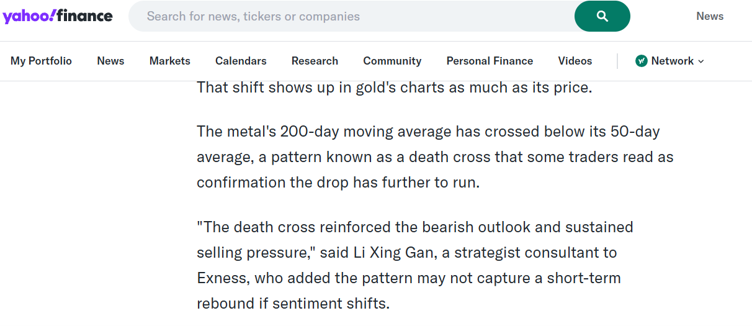
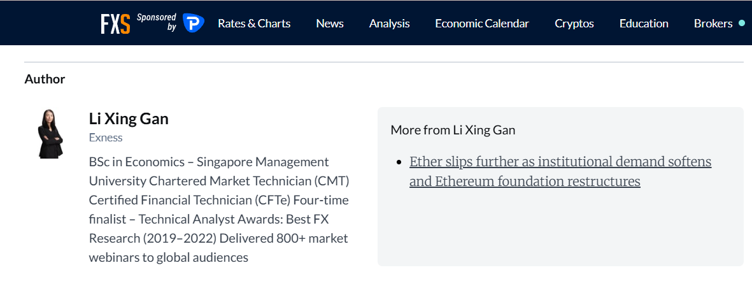
Also at Exness is Li Xing Gan, a Financial Markets Strategist Consultant. CNBC Arabia featured her discussing Asian markets, investor confidence, Japan and Korea, AI-related investment and currency movements. Li Xing Gan was also quoted by Yahoo Finance in coverage of rising US crude inventories and concerns about fuel demand.
Li Xing Gan is a named contributor at several sites including FX Street:
Can Forex Brokers Still Earn Media Coverage?
The answer is yes, but only under the right conditions.
The first requirement is genuine expertise. A broker’s analysts must be capable of providing meaningful insight into market developments rather than repeating widely available headlines. This ties in with Google’s EEAT policies. Journalists quickly recognise the difference between commentary that adds value and commentary that simply restates the obvious. They also understand when content is purely promotional without substance. Editors are not looking for sales copy disguised as analysis. They need useful data, clear explanations, original perspectives and experts who can communicate complex financial topics in an accessible way.
The second requirement is consistency because earned media rarely comes from publishing a single market update. Instead, brokers need to demonstrate expertise repeatedly through daily analysis, weekly reports, educational content and commentary around major economic events. This ongoing content library establishes credibility long before journalists begin requesting quotes.
Contentworks Agency has consistently advocated this approach through its financial services content strategies, which combine market analysis, educational content, thought leadership and PR to build long-term authority rather than relying solely on promotional campaigns. Many of our clients have received valuable retweets on their analysis from weighty financial publications, which is in itself earned media.
The third requirement is responsiveness. Financial journalism operates at market speed. Economic releases, central bank decisions and geopolitical developments often require immediate analysis, and brokers that cannot respond quickly will simply miss the opportunity. Additionally they might not be asked again in the future.
The Role Of Paid Media Alongside Earned Media
Some marketers treat paid media and earned media as competing strategies, but in reality they often complement each other.
Paid PR allows brokers to secure guaranteed visibility, launch products with certainty and reach specific audiences through premium publications. Contentworks Agency has previously highlighted how paid financial services PR can strengthen visibility, particularly when integrated with SEO, content marketing and broader reputation management.
However, paid media cannot replace editorial credibility. An article labelled as sponsored content serves a different purpose from an independent journalist quoting a broker’s analyst during a major market event. Both have value, but they achieve different marketing objectives.
Many successful brokers maintain commercial relationships with financial publishers through advertising, event sponsorships or paid content campaigns while simultaneously working to build genuine editorial relationships based on expertise.
How Brokers Can Improve Their Chances Of Earning Media
Building earned media in forex requires a long-term commitment rather than a campaign-based mindset. Brokers that consistently appear in respected financial publications typically invest in expert analysis. They publish relevant commentary before journalists request it, making it easier for reporters to recognise their expertise when news breaks.
Successful brokers also develop internal processes that allow analysts and PR teams to respond quickly to media enquiries. They understand that journalists often need concise quotes, supporting data and rapid turnaround times, and they are willing to adapt their content to meet those needs.
Perhaps most importantly, they recognise that publishers have commercial realities of their own. While earned media itself cannot be purchased, maintaining professional relationships with financial media through advertising, partnerships or event participation can help brokers become recognised participants within the industry’s wider media ecosystem.
The Future Of Earned Media In Forex
Earned media has become more selective, but it has not disappeared. If anything, genuine editorial coverage has become more valuable precisely because it is harder to obtain.
As financial publishers continue diversifying their revenue streams, the distinction between sponsored content and independent editorial becomes increasingly important for brokers seeking credibility. Traders can recognise promotional content, but they continue to place significant trust in expert commentary published by respected financial media.
For brokers willing to invest in experienced analysts or tailored analysis ghostwritten for them, and build authentic relationships with journalists over time, earned media remains one of the most powerful forms of visibility available. Rather than asking whether earned media in forex still exists, brokers should ask whether they are giving journalists enough reasons to choose them as expert sources. Those that commit to expertise, relevance and consistency are far more likely to become trusted voices within the financial media landscape than those relying solely on promotional campaigns.
At Contentworks Agency, we take a strategic approach to building visibility for forex brokers. We combine specialist financial content, PR, media relationships, SEO/GEO and thought leadership to ensure brands are seen by the audiences that matter. We identify the markets, publications and trader audiences that align with each broker’s objectives. We then develop relevant commentary, insights and social media approaches designed to build authority. Whether the goal is reaching high-value traders, strengthening brand credibility in a particular region or establishing analysts as recognised voices within the financial media, our approach starts with the right content.
Book a free Zoom to talk to our team about building your online presence.