
Whitepapers remain one of the most effective tools for building authority, attracting high-value leads, and explaining complex products. For fintechs, brokers, SaaS providers, blockchains and payment platforms, whitepaper content marketing is a powerful marketing tool. A well-written white paper educates stakeholders, supports investor conversations, improves SEO visibility, strengthens sales funnels, and positions your company as a serious market participant. Here’s our agency guide to white paper content marketing.
Stats About Whitepapers
Here’s some stats compiled from 2026 research:
- 51% of B2B marketers used white papers in the last 12 months, making them one of the most widely used long-form content assets in B2B marketing.
- White paper–anchored campaigns generated 2.7x more sales-accepted leads than blog-based campaigns in a 2026 B2B campaign analysis.
- 76% of B2B buyers rely on whitepapers before making purchasing decisions.
- 76% of buyers are willing to exchange contact information for a whitepaper.
- A strong whitepaper can reportedly generate an average $148,000 in pipeline value over its lifecycle.
A single authoritative whitepaper can function as a 24/7 sales asset that generates leads, trust, and pipeline simultaneously. In this guide, we’ll explore white paper content marketing, how to structure an effective white paper, and how fintech startups can incorporate white papers into a wider marketing strategy.
What Is White Paper Content Marketing?
White paper content marketing is the creation and distribution of in-depth, research-driven documents designed to educate a target audience about a specific industry problem, market trend, technology, or solution.
Unlike blogs or social media posts, white papers are long-form, authoritative pieces of content intended to demonstrate expertise and provide real value.
They are commonly used to:
- Explain complex financial or technological concepts
- Present market research or proprietary data
- Introduce new fintech or blockchain products
- Support fundraising and investor discussions
- Generate high-quality leads
- Build trust with institutional stakeholders
- Position a company as an industry thought leader
White papers sit at the intersection of education, branding, and lead generation.
Why Whitepapers Still Work in 2026

Despite the rise of video and short-form content, white papers continue to perform exceptionally well in B2B marketing because decision-makers still need detailed information before committing to products, partnerships, or investments.
- Companies publishing 4+ white papers annually generated 3.1x more marketing-qualified leads (MQLs) per dollar spent compared to companies producing fewer white papers.
- 84% of companies that increased white paper production reported measurable improvements in pipeline quality, deal size, and close rates within 90 days.
- White paper landing pages and gated downloads typically convert between 12–20% depending on targeting and audience quality.
A strong white paper helps companies:
Build Authority
Anyone can publish a blog. A professionally researched white paper signals expertise, seriousness, and market understanding. This matters particularly in industries where trust is essential, including fintechs, forex, payments, AI, regtech, blockchain, crypto, institutional SaaS, cybersecurity and wealth management.
Generate High-Value Leads
White papers are commonly used as gated content on landing pages. Users provide their contact information in exchange for downloading the report. Compared to general newsletter signups, white paper leads are often higher intent because readers are actively researching a topic.
Support Investor Relations
For startups, especially fintech and blockchain companies, white papers can help investors understand:
- The market opportunity
- Technology infrastructure
- Revenue model
- Competitive differentiation
- Regulatory considerations
- Long-term vision
This is particularly important for technically complex products.
Shorten the Sales Cycle
White papers educate prospects before they speak with sales teams. By the time a lead books a demo or investor meeting, they already understand the product, use case, and market positioning.
Top Industries for White Paper Marketing
White papers are most effective for companies or industries with:
- Complex products
- Long sales cycles
- High-value customers
- Technical infrastructure
- Regulatory considerations
- Investor-facing communications
Fintechs
Fintech startups frequently use white papers to explain:
- Embedded finance products
- Payment infrastructure
- Open banking systems
- Digital wallets
- Treasury systems
- Stablecoin frameworks
- Asset tokenisation
- Trading technologies
Forex and Prop Trading Firms
Brokerages and trading platforms use white papers to discuss:
- Market trends
- Liquidity infrastructure
- Pricing technologies
- Institutional trading tools
- Risk management
- AI trading analytics
SaaS Providers
B2B SaaS companies often create white papers around:
- Industry pain points
- Operational efficiency
- Automation
- Security
- Data management
- AI implementation
Blockchain and Web3 Projects
White papers remain foundational in blockchain marketing because investors and users expect detailed technical and strategic documentation.
These documents may include:
- Token utility
- Governance models
- Smart contract infrastructure
- Ecosystem architecture
- Roadmaps
- Economic frameworks
Institutional Service Providers
Legal firms, cybersecurity providers, compliance consultants, and financial service providers also use white papers to establish authority and attract enterprise clients.
When Should a Company Launch a White Paper?
White papers are most effective during major business milestones or strategic campaigns.
- Launching a new product or platform is one of the best opportunities for white paper marketing. The document can explain the market gap, the technology, benefits and competitive advantage cases and highlight use cases.
- Startups preparing for seed, Series A, or institutional investment often use white papers to support investor outreach.
- Entering new regions or launching new services may require educational content tailored to regulators, partners, and enterprise clients. They signal seriousness and credibility to potential clients, partners and local regulators.
- If a company evolves from startup to institutional-grade provider, a white paper can help communicate the transition.
- Companies that publish original research or market analysis can position themselves as category leaders rather than simply vendors. And you get the added benefit of improving your SEO by demonstrating EEAT.
What Should Be Included in a White Paper?
A professional white paper should be informative, structured, and easy to follow. The exact format depends on the industry and objective, but most successful white papers include:
- Executive Summary: A concise overview of the problem, solution, and key findings.
- Industry Background: Context about the market landscape, current challenges, or industry trends.
- Problem Statement: Clear explanation of the issue being addressed. This section is essential because readers need to understand why the solution matters.
- Proposed Solution: Detailed explanation of the company’s product, technology, or framework. This should focus on benefits and usability.
- Market Opportunity: Data supporting demand, growth potential, or industry gaps.
- Technical Infrastructure: For fintech and blockchain projects, this may include architecture, security, compliance, APIs, liquidity systems, infrastructure.
- Use Cases: Real-world examples help readers understand practical applications.
- Competitive Positioning: Explanation of how the solution differs from alternatives.
- Roadmap or Future Vision: Particularly useful for startups seeking investor confidence.
- Conclusion and CTA: Every white paper should end with a clear next step for the reader. That might be to book a consultation or demo, to join a waitlist or contact the sales team.
Be sure to include a contents page if it’s lengthy and links to credible sources especially when referencing stats and facts. If relevant, include who is on team, their profile and expertise. And finally, try to avoid or explain technical jargon.
How long should a white paper be?
There is no universal rule, but most effective white papers fall between:
- 1,500–3,500 words for marketing-focused white papers
- 4,000–8,000 words for technical or investor-facing documents
Aim to give deep but valuable content, and avoid fluff or filler content. A white paper should feel comprehensive, not exhausting.
Graphics and design of whitepaper
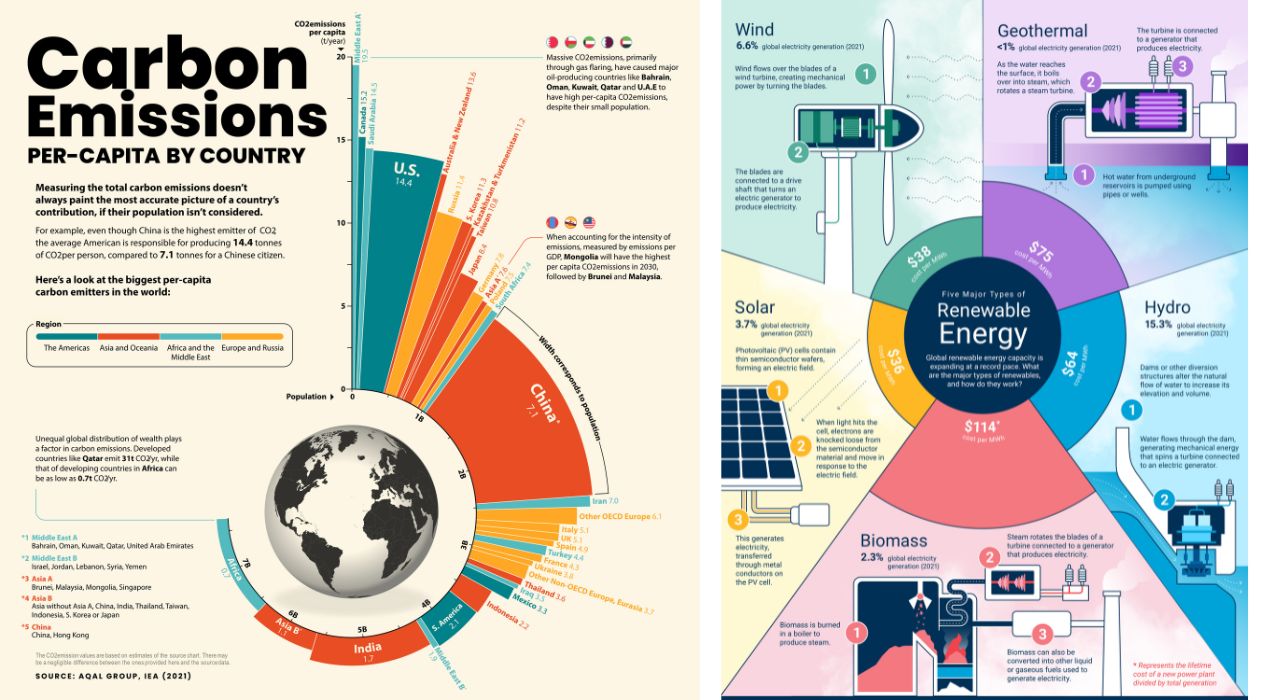
Design significantly impacts readability and credibility. Visual elements help simplify complex concepts and keep readers engaged.
A strong white paper should include:
- Charts
- Infographics
- Process diagrams
- Timelines
- Market statistics
- Architecture visuals
- Icons and branded graphics
For fintech startups, diagrams explaining payment flows, liquidity systems, tokenisation structures, or trading infrastructure can dramatically improve comprehension.
Poorly designed white papers often fail because readers feel overwhelmed by dense text.
Here are the 10 rules to follow when writing your white paper.
How to Use White Papers in Your Marketing Strategy
Creating a white paper is only half the process. Distribution matters just as much.
Landing Pages
Dedicated landing pages are one of the most effective ways to distribute white papers.
A strong landing page should include:
- Clear value proposition
- Short overview
- Key insights
- Download form
- Strong CTA
Gated Content Campaigns
Many companies require users to submit name, email contact and company name before accessing the document. This helps build qualified lead databases.
VIP Client Communications
White papers can also be distributed directly to:
- Institutional clients
- Partners
- Investors
- Affiliates
- High-value prospects
These audiences often appreciate more detailed and strategic materials than public marketing content.
Email Marketing
White papers work exceptionally well in segmented email campaigns. This includes investor newsletters, lead nurturing sequences and product launch announcements.
PR and Media Outreach
Journalists and industry publications often reference high-quality white papers containing proprietary insights or market data. This can generate backlinks, media mentions, and SEO benefits.
Find out if you should be investing in white papers here.
White Papers and SEO
White paper content marketing also supports long-term SEO growth. When properly optimised, white papers can help companies rank for target keywords, high-intent search queries, market trend searches and technical concepts.
Supporting SEO assets, around your whitepaper, may include:
- Landing pages
- Blog summaries
- PR articles
- Infographics
- Webinar recaps
- Social snippets
Common White Paper Mistakes
Many white papers fail because they become overly promotional. A white paper should educate first and sell second.
Common mistakes include:
- Excessive jargon
- Weak structure
- No clear audience
- Lack of research
- Poor design
- Overly sales-focused messaging
- No distribution strategy
- Generic AI-generated content without expertise
The best white papers simplify complexity without oversimplifying the subject matter.
How Fintech Startups Should Launch a White Paper
For fintech startups, timing and coordination matter.
An effective launch strategy may include:
Phase 1: Pre-Launch
- Create teaser social content
- Publish short educational blogs
- Build a landing page
- Prepare email campaigns
- Brief PR partners
Phase 2: Launch Week
- Announce across LinkedIn and email
- Run paid campaigns
- Send directly to stakeholders and investors
- Pitch journalists and industry media
- Host a webinar or AMA session
Phase 3: Repurposing
Turn the white paper into:
- Blog articles
- Infographics
- LinkedIn posts
- Video explainers
- Investor decks
- Webinar topics
- Sales collateral
A single white paper can fuel months of marketing content.
Discover some whitepapers we’ve created for our blockchain, crypto, forex and finance clients here.
FAQ: White Paper Content Marketing
What is whitepaper content marketing?
Whitepaper content marketing is the use of detailed, research-based documents to educate audiences, generate leads, build authority, and support business growth.
What industries benefit most from white papers?
Fintech, SaaS, blockchain, cybersecurity, finance, AI, and B2B technology companies benefit most because they often need to explain complex solutions.
Are white papers good for SEO?
Yes. White papers support SEO by targeting high-intent keywords, attracting backlinks, and generating supporting content opportunities.
Should white papers be gated?
Sometimes yes. Gated white papers can generate qualified leads, particularly in B2B industries.
How long should a white paper be?
Most marketing-focused white papers are between 1,500 and 3,500 words, while technical reports may be significantly longer.
Do white papers need graphics?
Yes. Charts, diagrams, and infographics improve readability and help explain complex concepts.
How often should companies publish white papers?
Many companies publish 1–4 major white papers annually, often aligned with product launches, funding rounds, or major industry developments.
Turn Complex Products Into Clear, Powerful Marketing
A professionally written white paper can become one of the most valuable assets in your marketing strategy. Its purpose is to generate leads, support investor discussions, strengthen SEO, and position your brand as an authority. At Contentworks Agency, we create expertly researched white papers for fintech, forex, blockchain, SaaS, and financial services brands worldwide. Book a Zoom with our team to get started.