
Digital marketing strategies for banks have shifted dramatically over the past five years. In a fintech landscape, banks can no longer work with generic, mass-market messaging. Customers expect more personalisation, faster support and digital journeys are increasingly more complex. Today’s banking customer expects relevance, speed, and trust at every touchpoint. According to McKinsey, over 70% of banking customers now prefer digital channels for onboarding and product research, while Salesforce reports that 66% of consumers expect companies to understand their individual needs. Against this backdrop, banks must move beyond visibility metrics and build marketing strategies that directly contribute to acquisition, conversion, and lifetime value. Below, we explore 10 digital marketing strategies for banks and some best-practices on how to implement them effectively.
#1 Hyper-Local Branch Geo-Targeting Campaigns
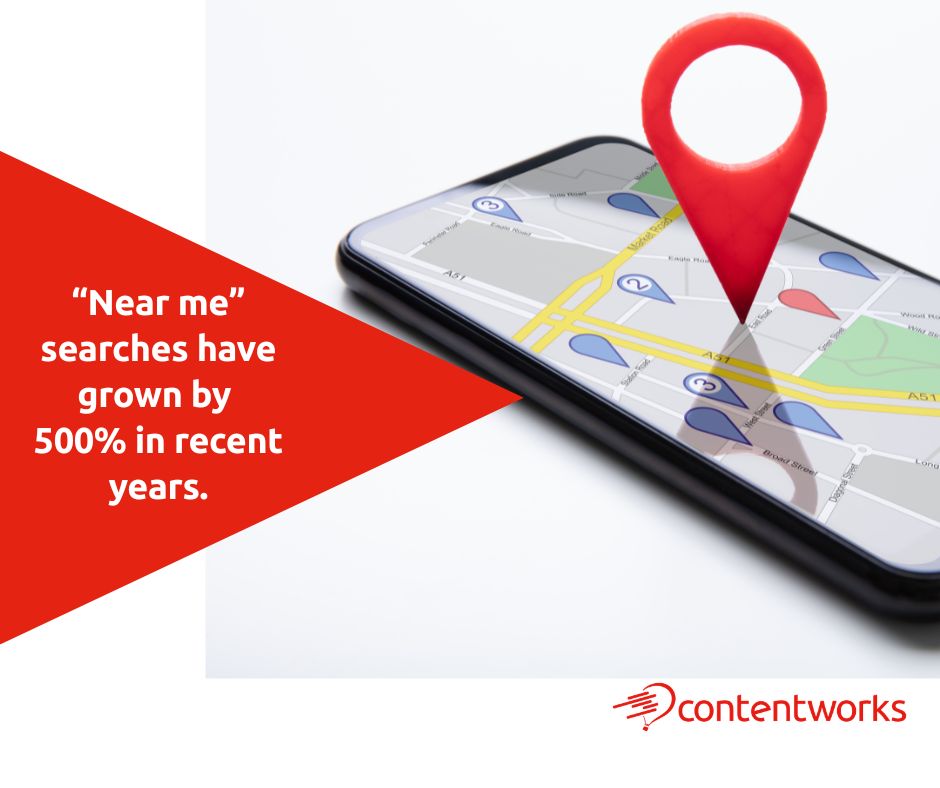
Hyper-local branch geo-targeting campaigns remain one of the most underutilised yet powerful tools for traditional banks. While digital transformation has reduced reliance on physical branches, location still plays a critical role in trust and decision-making. Google data shows that “near me” searches have grown by more than 500% in recent years.
Banks like HSBC have successfully used geo-targeted campaigns to promote local mortgage advisors and in-branch services, driving both footfall and appointment bookings. The key is aligning messaging with local needs rather than pushing generic national campaigns. For example, first-time buyer campaigns in urban areas perform very differently from retirement planning campaigns in suburban regions.
#2 First-Party Data Personalisation Across Online Banking
Direct data personalisation has become a cornerstone of effective banking marketing strategies, particularly as third-party cookies phase out. Banks sit on vast amounts of behavioural and transactional data, yet many fail to activate it meaningfully. Personalisation is proven to drive results. According to Epsilon, personalised experiences can increase conversion rates by up to 80%. Digital-first banks such as Monzo have set the benchmark here, using in-app insights and tailored notifications to recommend savings pots, budgeting tools, and credit products based on real user behaviour.
The opportunity for traditional banks lies in moving beyond basic segmentation and towards real-time, behaviour-driven messaging across digital banking platforms.
#3 Lifecycle Marketing Aligned to Key Life Events
Aligning marketing to life events is another high-impact strategy that sits closely with how customers actually make financial decisions. Banking products are rarely impulse purchases; they are triggered by moments such as buying a home, starting a family, or planning retirement.
Santander has effectively leveraged lifecycle marketing through targeted mortgage and savings campaigns aligned with life stages, supported by educational content and tools. Research from Accenture shows that 91% of consumers are more likely to shop with brands that provide relevant offers and recommendations, reinforcing the importance of timing and context. To execute this efficiently, banks need to connect CRM data, behavioural insights, and content strategy into a cohesive journey rather than isolated campaigns.
#4 Financial Education Content Hubs for Trust Building
Educational content hubs play a critical role in building trust particularly in the finance sector where credibility is everything. Consumers are increasingly cautious, with Edelman’s Trust Barometer consistently showing low trust in financial institutions compared to other industries.
Bank of America has invested heavily in educational platforms such as Better Money Habits offering structured guidance on topics ranging from credit scores to home buying. Educational content improves SEO visibility and positions the bank as a long-term advisor rather than a transactional provider.
An educational hub is more than a blog. Think of it as a purpose-built learning ecosystem that maps content to customer journey stages, product lines and local market realities.

Core elements (high level):
- Tiered learning paths: Beginner → intermediate → advanced. A new-to-banking customer sees “Getting started” explainer content; an intermediate saver sees guides on optimisation; a more sophisticated customer finds deep dives on investments and tax nuances.
- Product-linked learning: Content modules mapped to product pages (e.g., “How credit works” beside a credit product; “How FSCS protection works” beside deposit products).
- Regional and regulatory localisation: Local rules, deposit insurance thresholds and tax implications differ by market; the hub must reflect local language, examples and compliance notes.
- Formats: Long-form guides for SEO and depth; short explainers and animated videos for social; interactive calculators and checklists for decision-making; email series’ and push-notifications for retention.
- Audience targeting: Segmented pathways for students, gig-economy workers, SMEs and mass retail customers; different tones and CTAs per segment.
- Measurement & compliance layer: Clear versioning, legal sign-off on financial claims and an analytics stack to tie content engagement to product metrics.
Check out how Contentworks helped Snappi bank with their education hub here.
#5 SEO-Driven Product Pages for High-Intent Banking Searches
SEO-driven product pages targeting high-intent searches are essential for capturing demand at the point of decision. Queries such as “best savings account UK” or “low interest personal loan” signal strong intent, yet many banks still rely on generic product pages that fail to rank or convert.
Over 68% of online experiences begin with a search engine, making SEO a critical acquisition channel. Neobanks like Revolut have invested heavily in SEO-led landing pages that combine clear product benefits, comparison elements, and strong UX, contributing significantly to their growth.
The shift here is from product description pages to conversion-focused landing pages built for search intent. Check out how compelling the customer funnel is on just this one product page.
#6 Automated Cross-Sell Campaigns Within Mobile Apps
Automated campaigns for cross-selling within mobile apps are becoming increasingly important as app usage continues to rise. Insider Intelligence reports that mobile banking adoption is expected to exceed 75% in developed markets by 2026. Banks like BBVA have implemented AI-driven in-app recommendations, suggesting relevant products based on user activity. For example, customers who frequently travel may be prompted with FX cards or international account options. This type of contextual marketing not only increases product uptake but also enhances user experience.
The key is subtlety. Overly aggressive cross-selling can damage trust, while well-timed, relevant prompts can significantly boost conversion.
#7 Reputation Marketing for Loan Officers and Branch Managers
Reputation marketing for loan officers and branch managers taps into a simple idea: people trust people more than brands. This is particularly relevant for high-value products like mortgages and business loans.
87% of consumers read online reviews for local businesses. Banks that actively manage and promote individual advisor profiles, including reviews, credentials, and success stories, can significantly influence decision-making. US-based lenders have been particularly strong in this area, integrating loan officer reviews directly into their digital journeys to build trust and reduce friction.
#8. Digital Onboarding Optimisation to Reduce Drop-Off
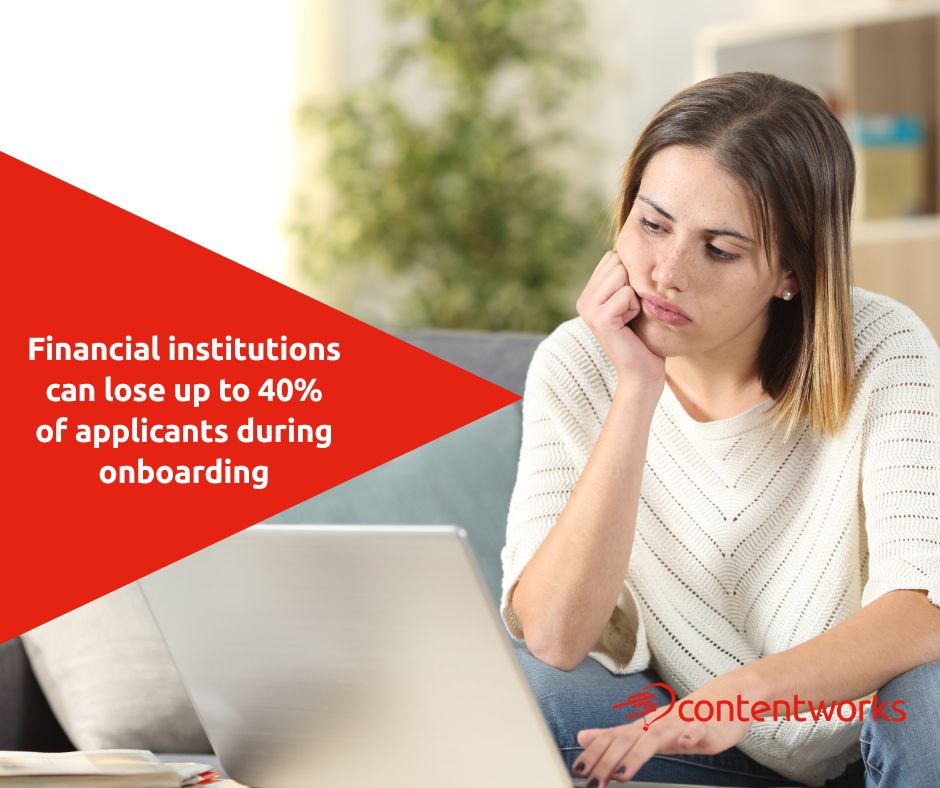
Digital onboarding optimisation is one of the most direct ways to improve conversion rates. Even small inefficiencies in the application process can lead to significant drop-off. Research from Signicat shows that financial institutions can lose up to 40% of applicants during onboarding due to complexity or friction. Banks that streamline this process by reducing steps, improving mobile UX, and offering save-and-return functionality, see immediate gains.
ING is often cited as a strong example, with simplified onboarding flows that prioritise speed and clarity without compromising compliance. Read about DOOR (digital online onboarding request) , their new, self-service, digital onboarding tool here.
#9 Community-Based Social Proof Campaigns
Community-based campaigns allow banks to amplify their local presence in a way that feels authentic rather than promotional. Sponsorships, partnerships, and community initiatives have long been part of banking, but digital amplification is where many brands fall short.
By showcasing real community involvement through social media, video content, and user-generated posts, banks can build emotional connection and credibility. This approach has been effectively used by regional banks and credit unions, particularly in the US, where local trust is a key differentiator.
#10 Retargeting Campaigns for Abandoned Applications
Finally, retargeting campaigns for abandoned applications are a critical but often overlooked strategy. Users who start a loan or credit card application have already demonstrated high intent, yet many banks fail to re-engage them effectively. Research suggests that retargeting can increase conversion rates by up to 150%. Fintech companies have been particularly strong in this area, using personalised ads and email reminders to bring users back into the funnel.
The most effective campaigns combine multiple channels and tailor messaging based on where the user dropped off, creating a seamless path back to completion.
Talk To Us About Marketing Strategies For Your Bank
Resources, budgets and growth plans will vary from bank to bank. Digital marketing strategies for banks require integration across data, content, technology, and customer experience. Banks that successfully implement these strategies will not only improve acquisition but also build stronger, more resilient customer relationships in an increasingly competitive market. For banks looking to move from visibility to measurable growth, the opportunity lies in aligning every digital touchpoint with intent, trust, and performance.
Set up a call with our team to discuss digital marketing strategies for your bank.